Key Takeaways
- Immersible ultrasonic transducers can upgrade existing cleaning tanks without replacing the entire system.
- These systems add ultrasonic cleaning power to tanks already used for rinsing, degreasing, or precision cleaning.
- Retrofitting with immersible transducers can improve cleaning consistency, throughput, and part quality.
- Ultrasonic energy helps remove contaminants from complex geometries, blind holes, and delicate surfaces.
- Facilities can often extend the life and value of existing cleaning equipment through targeted ultrasonic upgrades.
- Blackstone-NEY offers ultrasonic cleaning solutions and retrofit expertise for a wide range of industrial cleaning applications.
Why Many Existing Cleaning Tanks Fall Short
In many manufacturing facilities, cleaning tanks remain mechanically sound long after their cleaning performance starts becoming a limitation. Production demands evolve, parts become more complex, contamination standards tighten, and customers expect greater consistency. Meanwhile, older cleaning tanks may still rely on spray-only or soak-only cleaning methods that struggle to keep up.
This is especially common in industries where precision cleaning matters, including aerospace, medical manufacturing, electronics, automotive, and industrial component production.
Facilities often encounter issues such as:
- Inconsistent cleaning results
- Longer cleaning cycles
- Difficulty removing contamination from small passages or recessed features
- Increased manual cleaning labor
- Higher reject or rework rates
- Challenges meeting cleanliness specifications
In many cases, the tank itself is not the problem. The limitation is the cleaning method being used inside the tank.
That is where immersible ultrasonic transducers can provide significant value.
What Are Immersible Ultrasonic Transducers?
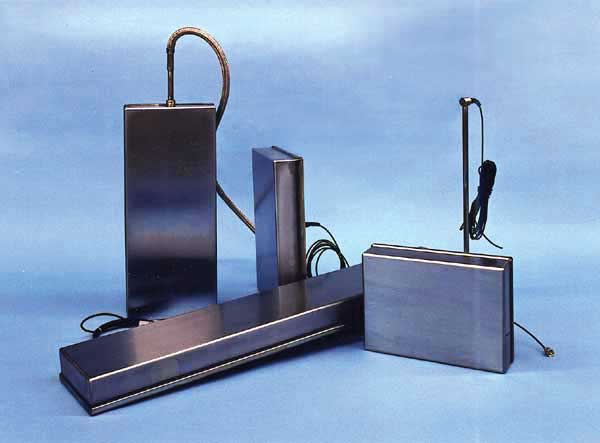
Immersible ultrasonic transducers are self-contained ultrasonic modules designed to be installed directly into existing cleaning tanks. Rather than replacing the entire cleaning system, manufacturers can retrofit ultrasonic capability into tanks they already own.
These transducers generate high-frequency sound waves inside the cleaning solution. The ultrasonic energy creates microscopic cavitation bubbles that rapidly form and collapse throughout the liquid.
This cavitation process produces intense localized cleaning action that reaches surfaces traditional cleaning methods often miss.
Common contaminants removed with ultrasonic cleaning include:
- Oils and grease
- Machining coolant
- Carbon deposits
- Particulate contamination
- Buffing compounds
- Flux residues
- Fine metal chips
- Polishing residues
Because the cleaning action occurs throughout the liquid, ultrasonic cleaning can effectively reach:
- Blind holes
- Internal passages
- Threads
- Complex geometries
- Tight tolerances
- Delicate surfaces
Why Retrofitting Existing Tanks Makes Sense
For many manufacturers, replacing an entire cleaning system may not be necessary or practical. Existing tanks may still have years of useful service life remaining.
Adding immersible ultrasonic transducers can provide a cost-effective path to improved cleaning performance while minimizing disruption to operations.
Lower Capital Investment
A retrofit approach can often cost substantially less than purchasing a completely new cleaning system. Facilities can upgrade cleaning capability while continuing to use existing infrastructure.
Reduced Downtime
Replacing a full cleaning line may require extensive installation, plumbing, electrical work, and production interruptions. Immersible ultrasonic upgrades are typically faster to implement.
Improved Cleaning Performance
Ultrasonic cavitation improves cleaning consistency across the entire tank, helping remove contaminants from difficult-to-clean surfaces and geometries.
Extended Equipment Life
Retrofitting existing tanks allows manufacturers to maximize the value of prior equipment investments rather than retiring otherwise functional systems.
Applications That Benefit from Ultrasonic Tank Retrofits
Immersible ultrasonic transducers are used across a wide range of industrial cleaning applications.
Precision Machined Components
Complex machined parts often contain small features and internal geometries where contamination becomes trapped. Ultrasonic cleaning improves removal of oils, chips, and fine particulate matter.
Aerospace Components
Aerospace cleaning requirements frequently involve strict cleanliness standards and highly engineered parts with intricate passages and tight tolerances.
Medical Device Manufacturing
Medical components often require extremely consistent cleaning performance while protecting delicate surfaces and precision finishes.
Electronics and Semiconductor Components
Ultrasonic cleaning can help remove fine contaminants and residues from sensitive electronic assemblies and precision components.
Maintenance and Remanufacturing Operations
Facilities rebuilding or servicing industrial equipment often use ultrasonic retrofits to improve removal of grease, carbon, and accumulated debris.
Important Considerations When Adding Immersible Ultrasonic Transducers
Not every retrofit is identical. Proper system design plays an important role in achieving effective ultrasonic cleaning performance.
Key factors include:
Tank Size and Geometry
Transducer placement must be engineered to deliver consistent ultrasonic energy distribution throughout the cleaning tank.
Operating Frequency
Different ultrasonic frequencies are suited for different cleaning objectives. Lower frequencies generally provide more aggressive cleaning, while higher frequencies support finer precision cleaning applications.
Solution Chemistry
Cleaning chemistry must be compatible with both the contaminants being removed and the ultrasonic process itself.
Heat Requirements
Many ultrasonic cleaning processes operate more effectively at elevated temperatures.
Part Handling
Basket design, part orientation, and load density can all influence ultrasonic cleaning effectiveness.
The Role of Engineered Ultrasonic Integration
Simply adding ultrasonic energy to a tank does not automatically guarantee optimal cleaning performance. Successful ultrasonic retrofits typically require an engineered approach that considers the entire cleaning process.
Manufacturers evaluating ultrasonic retrofits should consider:
- Contaminant type
- Part material
- Production volume
- Existing process limitations
- Required cleanliness standards
- Tank configuration
- Future scalability needs
An experienced ultrasonic cleaning partner can help evaluate these factors and recommend an appropriate solution.
Modernizing Existing Cleaning Systems Without Starting Over
For many manufacturers, immersible ultrasonic transducers provide a practical middle ground between maintaining outdated cleaning performance and investing in a completely new cleaning line.
By enhancing existing cleaning tanks with ultrasonic capability, facilities can often achieve:
- Better cleaning consistency
- Improved part quality
- Reduced manual labor
- Faster cleaning cycles
- Greater process reliability
- Longer equipment life
As cleaning requirements continue evolving across manufacturing industries, ultrasonic retrofit solutions offer a flexible way to modernize cleaning operations while protecting existing capital investments.
If your facility is evaluating ways to improve cleaning performance without replacing entire systems, Blackstone-NEY can help you explore ultrasonic cleaning solutions designed around your application, production goals, and existing equipment. Contact us to discuss your parts cleaning needs.